

“A espada na pedra”: a teologia e o diálogo inter-religioso nos nossos dias
Uma conversa com Faustino Teixeira
By Maria Pinho
🇵🇹 Outubro 2024 – A atualidade atravessa questões humanitárias que, longe de serem novas ou particularmente exóticas, necessitam de uma urgente reflexão, verificando-se o diálogo inter-religioso um importante e basilar escopo do debate. Faustino Teixeira, um dos grandes especialistas e investigadores em teologia, religião e literatura do Brasil, medita nesta entrevista sobre o papel das instituições no estabelecimento e preservação da paz religiosa, bem como revela que caminhos – teológicos ou não – são essenciais percorrer para esse fim.
🇬🇧 October 2024 – Today’s humanitarian issues, far from being new or particularly exotic, are in urgent need of reflection, and inter-religious dialog is an important and basic part of the debate. Faustino Teixeira, one of Brazil’s leading specialists and researchers in theology, religion and literature, reflects in this interview on the role of institutions in establishing and preserving religious peace, and reveals which paths – theological or otherwise – are essential to take to this end.
Sobre Faustino Teixeira
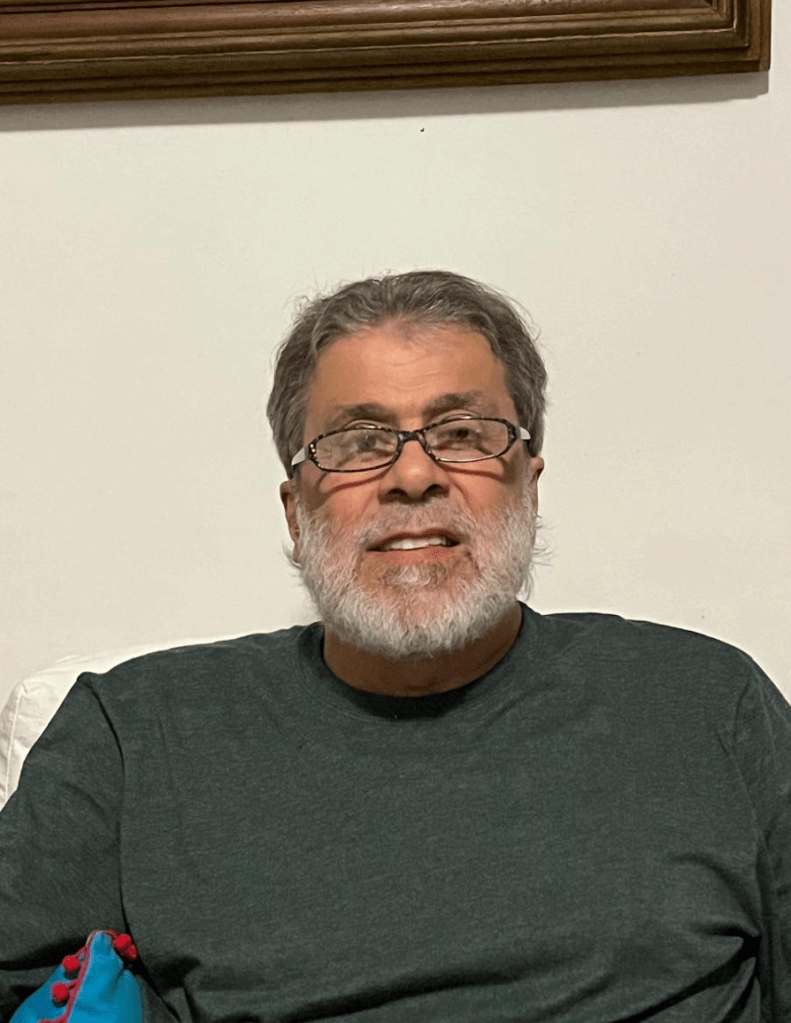
🇵🇹Faustino Teixeira, Professor Titular Aposentado da Universidade Federal de Juiz de Fora. Professor no Instituto Humanitas da Unisinos, na área de Literatura e Religião, com cursos sobre Guimarães Rosa, Clarice Lispector e Graciliano Ramos.
🇬🇧 Faustino Teixeira, retired professor at the Federal University of Juiz de Fora. Professor at the Humanitas Institute of Unisinos, in the area of Literature and Religion, with courses on Guimarães Rosa, Clarice Lispector and Graciliano Ramos.
🇵🇹 A entrevista
English translation below
Maria Pinho: A carreira de Faustino Teixeira na área da Teologia e das Ciências da Religião é vasta e inspiradora. Começando pelo princípio, o que é que o conduziu a dedicar-se a estas áreas?
Faustino Teixeira: Tudo foi uma bela coincidência. Tive a chance de poder cursar simultaneamente aqui em Juiz de Fora, Minas Gerais, os cursos de filosofia e ciências da religião simultaneamente: a filosofia pela manhã e as ciências da religião à noite. Isto na Universidade Federal de Juiz de Fora (UFJF). Sempre estive motivado a lidar com as ciências humanas: um traço que vem da influência familiar. E a vocação para a teologia veio também estimulado por um grupo de estudantes, de âmbito nacional, que se reunia quatro vezes por ano sob a supervisão do teólogo João Batista Libânio. Concluí os dois cursos em 1977. Veio em seguida a chance de continuidade dos estudos com o mestrado. O projeto era um mestrado em ciências sociais na USP, mas por incentivo de um grande amigo, que se tornou meu orientador, o teólogo João Batista Libânio, acabei transferindo-me para o Rio de Janeiro, onde fiz o meu mestrado em teologia, entre 1978 e 1982, assumindo igualmente a docência em ensino religioso e teologia. Fui em seguida para o doutorado de teologia na Pontifícia Universidade Gregoriana de Roma, onde fiz meu doutorado em teologia dogmática, abordando o tema das Comunidades Eclesiais de Base. Defendi a tese em 1985: uma tese de 1.100 páginas. Retornei à PUC-RJ como professor de teologia, permanecendo ali até 1992. Um pouco antes, em 1989, fiz um concurso para a Universidade Federal de Juiz de Fora e comecei a lecionar numa universidade pública o tema da teologia das religiões. Com o tempo, passei a ministrar cursos na pós-graduação em ciências da religião: diálogo inter-religioso, teologia do pluralismo religioso e mística comparada das religiões. Fiz na sequência o pós-doutorado em teologia na mesma Pontifícia universidade, com a supervisão de Jacques Dupuis (1997-1998). Estava concentrado no tema da teologia e o pluralismo religioso. Tive ainda a oportunidade de fazer um estágio sênior em Veneza, com os franciscanos, no Instituto Ecumênico São Bartolomeu, sob a supervisão de Marco Dal Corso (2015-2016). Eu me aposentei na UFJF em 2017. A partir de então, ministro cursos on-line sobre literatura e religião, tendo me ocupado com os seguintes autores: Guimarães Rosa, Clarice Lispector, Graciliano Ramos e Fernando Pessoa. Os cursos livres e gratuitos são oferecidos pelo Instituto Humanitas da Unisinos, gerida pelos jesuítas. Estou igualmente envolvido em projetos de debates de filmes no IHU: Filmes em Perspectiva e num portal de espiritualidade: Paz e Bem.
MP: O diálogo inter-religioso é também um dos escopos da sua investigação, tópico, de resto, deveras pertinente e nevrálgico na atualidade. Enquanto professor e investigador, em que medida é que as universidades contribuem para o fortalecimento do pluralismo religioso e para o incentivo ao diálogo teológico entre diferentes crenças?
FT: O diálogo inter-religioso tem sido, de facto, objeto de minhas reflexões há décadas. Tenho um carinho muito especial pelo tema e fico feliz de observar que o tema vem ganhando cidadania nas universidades do Brasil. Não é um tema muito presente nas faculdades de teologia, infelizmente. Nessas faculdades, abre-se um pequeno espaço para o ecumenismo, em disciplinas de dois créditos, na maioria das vezes. Agora, nas ciências da religião, percebe-se um interesse mais vivo pelo tema do diálogo inter-religioso. Há aqui no Brasil alguns programas, como na cidade de Recife, na universidade católica, gerida pelos jesuítas, onde o tema ganha muita importância. Não há como falar hoje em teologia ou ciências da religião sem levar em conta o tema do pluralismo religioso. Trata-se de um paradigma fundamental neste século XXI. Tive a grande alegria e sorte de ter sido orientado por uma das maiores autoridades mundiais sobre o tema, o jesuíta Jacques Dupuis, que ao final da vida, infelizmente, sofreu muitas dificuldades com a Congregação para a Doutrina da Fé, sobretudo quando esteve sob a presidência do cardeal Ratzinger. Vejo que no campo da Igreja católica, encontramos ainda muitas dificuldades para avançar na reflexão sobre o tema, e Papa Francisco é um maravilhoso portador de coragem para levar à frente essa discussão e, sobretudo, essa experiência de abertura ao mundo do outro.
MP: O diálogo inter-religioso é não raro desafiador, porquanto envolve aspetos não só estritamente teológicos, mas culturais e políticos. Como é que a Teologia pode ajudar a construir pontes entre essas dimensões distintas?
FT: No processo de minha reflexão sobre o diálogo inter-religioso ocorreram vários momentos de discernimento. Inicialmente trabalhei especificamente com o tema estrito do diálogo entre as religiões. Publiquei dois livros sobre o tema e vários artigos. Aos poucos, fui-me dando conta que a perspetiva do diálogo inter-religioso era ainda restrita, uma vez que excluía de sua portada a questão do diálogo de espiritualidades ou do diálogo inter-convicções, que não se restringem ao campo das religiões. Faço sempre uma distinção precisa entre espiritualidade e religião. A espiritualidade tem a ver com qualidades do espírito humano, como a hospitalidade, a compaixão, a fraternidade, a cortesia e a atenção. O que percebemos com clareza é que muitas pessoas são portadoras de espiritualidade mesmo não adotando uma religião em particular, e essas pessoas devem estar envolvidas pelo desafio do diálogo. Mais recentemente, fui me dando conta que mesmo o diálogo de espiritualidade restringe-se ao âmbito do humano, e hoje, com a nova consciência planetária e a perceção do desafio da Terra, nos damos conta que estamos inseridos numa teia vital, muito mais ampla que a teia humana. Assumi, então, a perspetiva do diálogo inter-espécies, que é um diálogo que amplia a consciência do “nós”, para além do humano. Trata-se da nova consciência de habitabilidade na Terra, que implica a abertura para “assembleias de habitabilidade multiespécies”, para utilizar uma rica expressão da antropóloga Anna Tsing. Hoje temos viva a consciência de que estamos todos, humanos e não humanos, envolvidos numa mesma teia de habitualidade, numa dinâmica inter-relacional singular e promissora. Vejo com muita clareza hoje que não pode haver autêntico diálogo sem essa abertura planetária.
MP: Vivemos, de facto, numa época em que a globalização parece paulatinamente tender a tensões políticas, culturais e também religiosas. Na sua perspetiva, quais são os principais desafios para o diálogo inter-religioso hoje, e como é que eles poderão ser supridos ou superados?
FT: Vivemos tempos muito difíceis, envolvidos por dificuldades precisas no âmbito da “pegada” humana sobre a Terra. O que mais verificamos, por toda a parte, é um “desgaste da compaixão”, para utilizar uma precisa expressão do fotógrafo brasileiro, Sebastião Salgado. Vivemos num tempo de “perturbação” da Terra, que hoje vem sendo nomeado como o tempo do Antropoceno. Estamos diante de riscos tremendos que podem abreviar o tempo do ser humano na Terra, sobretudo com o drástico aumento climático e outras tantas catástrofes que estão ocorrendo em razão de nossa presença necrófila na Terra. O que falta é uma reverência fundamental para com todos os seres, envolvendo aqui também a Terra. O diálogo inter-religioso firma-se como passo fundamental em favor do respeito à dignidade dos outros, da dignidade sagrada das outras tradições religiosas. Vivemos, infelizmente, tempos de afirmações identitárias, onde cada tradição religiosa firma-se tranquilamente no seu território e exclui de sua comunhão o mundo da diferença. O grande desafio é vencer essa altercação e buscar caminhos dialogais, que possam respeitar a essencial honradez do outro. O diálogo se faz na busca comum de uma fraternidade, em profundo respeito com o mistério abissal que está presente no território do outro. Há que “tirar as sandálias” para avançar com respeito no mundo da alteridade.
MP: Neste mundo dito globalizado, mas também cada vez mais polarizado, em que a migração (forçada ou livre) é uma realidade crescente, encontrar-se-á o pluralismo religioso sob ameaça?
FT: Evidentemente. O diálogo vem sempre ameaçado quando as polarizações se firmam de forma cega. No caso, o que predomina é a “solidão dos que têm razão”. O polo identitário vem agudizado e os outros demonizados, seja através de sua anulação pela palavra ou mesmo pela violência viva. Trata-se do domínio dos fundamentalismos. Eu sempre digo que atualmente, a violência nasce nos púlpitos, sendo gerada pelos próprios pregadores religiosos, que perfilam uma identidade traçada pela exclusão. Como diz com razão José Saramago, estamos diante do “fator Deus”, do uso indiscriminado do nome de Deus para justificar a violência contra as outras tradições religiosas. Não há salvação para a humanidade a não ser quando puder reconhecer a pluralidade como um valor indiscutível e irrevogável. Como disse recentemente o papa Francisco, “a diversidade é bela”. Há que se abrir com atenção e generosidade para esse desafio essencial.
MP: Haverá possibilidade de o pluralismo religioso ser compatível com este certo proselitismo que parece querer instalar-se?
FT: Não há possibilidade alguma de convivência entre o pluralismo e o proselitismo religioso. Num mundo plural, há que ultrapassar a tônica proselitista, que se funda numa ideia problemática de que somente uma dada tradição religiosa é portadora da verdade, e que todas as outras tradições devem se encaminhar para ela. É o que eu chamo de “teologia do acabamento”, quando as outras tradições entram com a “vontade de Deus”, e a religião considerada verdadeira chega com a resposta. É como se os povos estivessem apenas com os braços voltados para Deus, mas que a resposta à sua ânsia estaria em outro lugar. Isso para mim é negar a alteridade essencial, o respeito sagrado à convicção diversa do outro. Em entrevista concedida por Papa Francisco ao jornalista e editor Eugenio Scalfari, em julho de 2013, ele sublinhou que o proselitismo é um “solene disparate”. Acrescentou que o caminho que se abre para os cristãos, e também para os outros amigos, é o do conhecimento mútuo, da escuta comum, da hospitalidade e do conhecimento honesto do mundo que nos circunda. Diz ainda que o mundo “vem percorrido por estradas que nos avizinham e distanciam, mas o mais importante é que essas estradas nos conduzam ao bem”. Portanto, o valor máximo está na experiência do amor, do ágape. Ainda nesta entrevista, Francisco sublinhou que o ágape é “o único caminho indicado por Jesus para encontrar a via da salvação e das bem-aventuranças”.
MP: De que modo, no seu entender, é que as instituições académicas e a investigação científica podem contribuir ativa e socialmente para a paz religiosa?
FT: Penso que as instituições académicas têm um papel fundamental de criar espaços precisos e garantidos para uma reflexão sadia e eficaz sobre o diálogo das culturas e das religiões. É um grande contributo que tais instituições podem fornecer para os formadores de opinião. Sabemos muito bem hoje em dia que não pode haver paz no mundo sem paz entre as religiões, e que a paz entre as religiões pressupõe o diálogo inter-religioso. É o que afirmou com sabedoria o teólogo Hans Kung, que exerceu um trabalho fabuloso, por várias partes do mundo, na defesa de uma paz mundial. E um trabalho semelhante vem sendo feito por importantes lideranças religiosas como o Papa Francisco e o Dalai Lama.
MP: Sei que, a despeito da sua formação teológica – ou, quem sabe, dela derivado –, nutre um fascínio pela Mística. Poderá a Mística ser, justamente, o caminho para o mútuo entendimento e a tolerância? Se sim, em que medida?
FT: A mística inter-religiosa foi sempre uma de minhas maiores paixões. Dentre minhas últimas publicações encontra-se uma trilogia que envolve a mística inter-religiosa: Malhas da Mística Cristã; Mística Islâmica e Mística Zen Budista (todos os livros publicados pela editora Appris). O grande encanto provocado pela mística é o de nos facultar a humildade face ao Mistério Maior, ao grande Enigma que envolve a nossa vida e caminhada. Trata-se de um Mistério que pode ser nomeado de várias formas, e ser vivido de maneiras diversificadas. A mística é marcada sobretudo pela liberdade. Os grandes místicos foram verdadeiros arautos da liberdade, nunca se deixando aprisionar pelos territórios religiosos. Eles têm diante de si a grande paisagem de um Mistério Inaudito, diante do qual todas as narrativas são movediças e limitadas. Os místicos nos ajudam a exercitar essa humildade, bem como uma busca que não se satisfaz com as paisagens garantidas e asseguradas. Eles são movidos por uma sede que é insaciável. Movido pela mística, o Papa Francisco pôde assinalar em entrevista com pe. Antonio Spadaro, ocorrida em 2013: “Se uma pessoa diz que encontrou Deus com certeza total e não aflora uma margem de incerteza, então não está bem (…). Os grandes guias do povo de Deus, como Moisés, sempre deixaram espaço para a dúvida. Devemos deixar espaço ao Senhor, não às nossas certezas”. Não há dúvida de que a mística proporciona esse “agnosticismo” essencial, essa dúvida que favorece colocar as tradições em busca permanente, sempre à escuta dos caminhos inusitados e alvissareiros do Mistério sempre maior.
🇬🇧 The Interview
Maria Pinho: Faustino Teixeira’s career in Theology and the Sciences of Religion is vast and inspiring. Starting at the beginning, what led you to dedicate yourself to these areas?
Faustino Teixeira: It was all a beautiful coincidence. Here in Juiz de Fora, Minas Gerais, I had the chance to study philosophy and religious sciences simultaneously: philosophy in the morning and religious sciences in the evening. This was at the Federal University of Juiz de Fora (UFJF). I’ve always been motivated to deal with the humanities: a trait that comes from family influence. My vocation for theology was also stimulated by a nationwide group of students who met four times a year under the supervision of theologian João Batista Libânio. I finished both courses in 1977. Then came the chance to continue my studies with a master’s degree. The plan was for a master’s degree in social sciences at USP, but at the encouragement of a great friend, who became my advisor, the theologian João Batista Libânio, I ended up moving to Rio de Janeiro, where I did my master’s degree in theology between 1978 and 1982, also teaching religious education and theology. I then went on to do my doctorate in theology at the Pontifical Gregorian University in Rome, where I did my doctorate in dogmatic theology, on the theme of Basic Ecclesial Communities. I defended my thesis in 1985: a thesis of 1,100 pages. I returned to PUC-RJ as a theology professor and stayed there until 1992. A little earlier, in 1989, I applied to the Federal University of Juiz de Fora and began teaching the theology of religions at a public university. Over time, I started teaching postgraduate courses in religious sciences: interreligious dialog, theology of religious pluralism and comparative mysticism of religions. I then did a post-doctorate in theology at the same pontifical university, under the supervision of Jacques Dupuis (1997-1998). I focused on the theme of theology and religious pluralism. I also had the opportunity to do a senior internship in Venice, with the Franciscans, at the St. Bartholomew’s Ecumenical Institute, under the supervision of Marco Dal Corso (2015-2016). I retired from UFJF in 2017. Since then, I have been teaching online courses on literature and religion, dealing with the following authors: Guimarães Rosa, Clarice Lispector, Graciliano Ramos and Fernando Pessoa. The free courses are offered by the Jesuit-run Instituto Humanitas at Unisinos. I am also involved in film debate projects at the IHU: Films in Perspective and a spirituality portal: Paz e Bem.
MP: Inter-religious dialog is also one of the scopes of your research, a topic that is very pertinent and neuralgic today. As a professor and researcher, to what extent do universities contribute to strengthening religious pluralism and encouraging theological dialog between different faiths?
FT: Interreligious dialog has, in fact, been the subject of my reflections for decades. I have a very special affection for the subject and I’m happy to see that it’s gaining citizenship in Brazilian universities. Unfortunately, it’s not a topic that’s very present in theology faculties. In these faculties, there is little space for ecumenism, mostly in two-credit subjects. Now, in the sciences of religion, there is a more lively interest in the subject of interreligious dialogue. There are some programs here in Brazil, such as in the city of Recife, at the Jesuit-run Catholic university, where the topic is gaining a lot of importance. We can’t talk about theology or the sciences of religion today without taking into account the theme of religious pluralism. This is a fundamental paradigm in the 21st century. I had the great joy and good fortune to have been guided by one of the world’s greatest authorities on the subject, the Jesuit Jacques Dupuis, who at the end of his life, unfortunately, suffered many difficulties with the Congregation for the Doctrine of the Faith, especially when he was under the presidency of Cardinal Ratzinger. I see that in the field of the Catholic Church, we still encounter many difficulties in advancing reflection on the subject, and Pope Francis is a wonderful bearer of courage to take this discussion forward.
MP: Interreligious dialog is often challenging, as it involves aspects that are not only strictly theological, but also cultural and political. How can theology help build bridges between these different dimensions?
FT: In the process of my reflection on interreligious dialog, there have been several moments of discernment. Initially, I worked specifically on the strict theme of dialogue between religions. I published two books on the subject and several articles. Gradually, I realized that the perspective of inter-religious dialogue was still restricted, since it excluded the question of dialogue between spiritualities or inter-convictions, which are not restricted to the field of religions. I always make a precise distinction between spirituality and religion. Spirituality has to do with qualities of the human spirit, such as hospitality, compassion, fraternity, courtesy and attentiveness. What we clearly see is that many people are bearers of spirituality even if they don’t adopt a particular religion, and these people must be engaged by the challenge of dialogue. More recently, I have come to realize that even the dialogue of spirituality is restricted to the human sphere, and today, with the new planetary consciousness and the perception of the challenge of the Earth, we realize that we are part of a vital web, much broader than the human web. I then took the perspective of interspecies dialog, which is a dialog that broadens the awareness of “us” beyond the human. It’s about the new awareness of habitability on Earth, which implies opening up to “multi-species habitability assemblies”, to use a rich expression by anthropologist Anna Tsing. Today we have a vivid awareness that we are all, human and non-human, involved in the same web of habituality, in a unique and promising inter-relational dynamic. I see very clearly today that there can be no authentic dialog without this planetary openness.
MP: We live in a time when globalization seems to be gradually leading to political, cultural and also religious tensions. In your view, what are the main challenges for interreligious dialogue today, and how can they be met or overcome?
FT: We are living in very difficult times, surrounded by precise difficulties in terms of the human “footprint” on the Earth. What we see most everywhere is an “erosion of compassion”, to use the precise expression of the Brazilian photographer Sebastião Salgado. We live in a time of “disturbance” of the Earth, which is now being called the time of the Anthropocene. We are facing tremendous risks that could shorten the human being’s time on Earth, especially with the drastic increase in climate and the many other catastrophes that are occurring as a result of our necrophilic presence on Earth. What is lacking is a fundamental reverence for all beings, including the Earth. Interreligious dialogue is a fundamental step towards respecting the dignity of others, the sacred dignity of other religious traditions. Unfortunately, we live in times of identity assertion, where each religious tradition is quietly established in its own territory and excludes the world of difference from its communion. The great challenge is to overcome this altercation and seek dialogical paths that can respect the essential honesty of the other. Dialogue takes place in the common search for fraternity, in deep respect for the abyssal mystery that is present in the territory of the other. We must “take off our sandals” in order to move forward with respect in the world of otherness.
MP: In this so-called globalized but increasingly polarized world, where migration (forced or free) is a growing reality, is religious pluralism under threat?
FT: Of course. Dialogue is always threatened when polarizations are blindly established. In this case, what prevails is the “loneliness of those who are right”. The identity pole is aggravated and the others demonized, either through their annulment by word or even by living violence. This is the domain of fundamentalism. I always say that nowadays, violence is born in the pulpits and is generated by the religious preachers themselves, who profile an identity shaped by exclusion. As José Saramago rightly says, we are facing the “God factor”, the indiscriminate use of God’s name to justify violence against other religious traditions. There is no salvation for humanity unless it can recognize plurality as an indisputable and irrevocable value. As Pope Francis recently said, “diversity is beautiful”. We need to be open to this essential challenge with attention and generosity.
MP: Is it possible for religious pluralism to be compatible with this certain proselytism that seems to want to take hold?
FT: There is no possibility of coexistence between pluralism and religious proselytism. In a pluralistic world, we have to overcome the proselytizing tone, which is based on the problematic idea that only a given religious tradition is the bearer of truth, and that all other traditions must move towards it. This is what I call the “theology of completion”, when other traditions come in with the “will of God”, and the religion that is considered true comes in with the answer. It’s as if people only had their arms turned towards God, but that the answer to their longing was somewhere else. For me, this is a denial of essential otherness, of sacred respect for the other’s different convictions. In an interview Pope Francis gave to journalist and editor Eugenio Scalfari in July 2013, he stressed that proselytism is “solemn nonsense”. He added that the path open to Christians, and also to other friends, is that of mutual knowledge, common listening, hospitality and honest knowledge of the world around us. He goes on to say that the world “is paved with roads that bring us together and distance us, but the most important thing is that these roads lead us to the good”. Therefore, the greatest value lies in the experience of love, of agape. Also in this interview, Francis stressed that agape is “the only way indicated by Jesus to find the path of salvation and the beatitudes”.
MP: How do you think academic institutions and scientific research can actively and socially contribute to religious peace?
FT: I think that academic institutions have a fundamental role to play in creating precise and guaranteed spaces for healthy and effective reflection on the dialog of cultures and religions. This is a great contribution that such institutions can make to opinion formers. We know very well today that there can be no peace in the world without peace between religions, and that peace between religions presupposes interreligious dialogue. This is what the theologian Hans Kung, who has done fabulous work in various parts of the world in defense of world peace, has wisely said. And similar work is being done by important religious leaders such as Pope Francis and the Dalai Lama.
MP: I know that, despite your theological training – or perhaps derived from it – you have a fascination with mysticism. Could mysticism be the path to mutual understanding and tolerance? If so, to what extent?
FT: Interreligious mysticism has always been one of my greatest passions. Among my latest publications is a trilogy involving inter-religious mysticism: Meshes of Christian Mysticism; Islamic Mysticism and Zen Buddhist Mysticism (all books published by Appris). The great charm of mysticism is that it gives us humility in the face of the Greater Mystery, the great Enigma that surrounds our life and journey. It is a Mystery that can be named in different ways and lived in different ways. Mysticism is marked above all by freedom. The great mystics were true heralds of freedom, never allowing themselves to be imprisoned by religious territories. They have before them the great landscape of an Unheard Mystery, before which all narratives are shaky and limited. Mystics help us to exercise this humility, as well as a search that is not satisfied with guaranteed and assured landscapes. They are driven by an unquenchable thirst. Moved by mysticism, Pope Francis was able to point out in an interview with Fr. Antonio Spadaro in 2013: “If a person says that he has found God with total certainty and there is no margin of uncertainty, then he is not well (…). The great guides of God’s people, like Moses, always left room for doubt. We must leave room for the Lord, not for our certainties”. There’s no doubt that mysticism provides this essential “agnosticism”, this doubt that helps to put traditions in permanent search, always listening for the unusual and hopeful paths of the ever-greater Mystery.
©️Maria Pinho | “A espada na pedra: a teologia e o diálogo inter-religioso nos nossos dias”, IPM Monthly 3/10 (2024).
 IPM Monthly