

A Cinematic Journey through History and Duty: Hu Mei’s Confucius (2010)
By Nicola Polloni

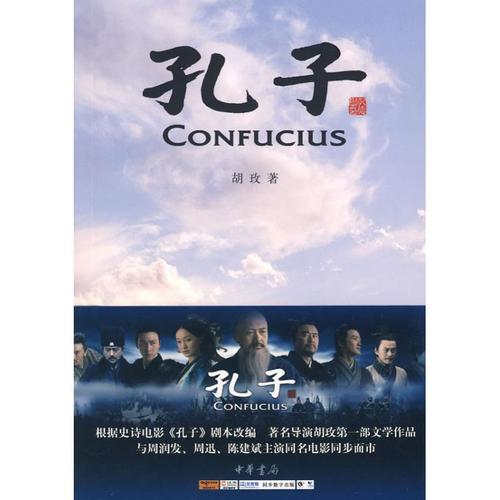
The old saying “of taste, there is no disputing” works with food as well as movies (and TV series, think of The Rings of Power). Historical movies and biographies rank among the most divisive genres in contemporary cinematography. Naturally, biographical movies can focus on a vast array of historical figures, and seldom have producers been so daring as to center their attention on the lives of philosophers. Indeed, philosophers rarely have adventurous lives, with a few exceptions aside (such as Plato, Boethius, Marx, and a few others). Even fewer are those whose stories tell of a drama that may be relatable to 21st-century audiences. In general, laypeople often picture the lives of philosophers as serene, filled with contemplation, seldom crossed by the events of the outside world. Few figures in the history of philosophy defy this idea more than the greatest of all Chinese philosophers – sorry, Laozi! – and one of the most influential thinkers in human history: Kong Zi (孔子), that is, Confucius. The dramatic story of his life is told in a poetic fashion in the movie Confucius (孔子), directed by Hu Mei (胡玫). Released in 2010, it features Chow Yun-fat (周润发) as Confucius.
The movie reconstructs the events leading to Kong Zi’s exile from the State of Lu and his subsequent peregrination from state to state until his return to his hometown. Director Hu Mei narrates this well-known story in a delicate, elegant manner that vividly portrays the dramatic tensions between social duty and personal conviction, the sense of justice and the perception of injustice. Particularly striking in this narrative is Kong Zi’s role as a master – the master, if you will. His misadventures with local powers led him to a disgraceful life of wandering from state to state, hoping to find a ruler willing to listen to his teachings, to no avail. Against his better advice, his disciples accompanied him in these strenuous travels, enduring the horrendous fate of their master. This dramatic crescendo reaches its culmination in the tragic death of Yan Hui, Kong Zi’s beloved disciple. His passing is daringly (from a historical perspective) yet touchingly narrated as the result of his attempt to save the works of his master from being lost – a poetic license taken.
I am sure that some would have loved this movie to be more historically accurate. Yet, the meaning of Kong Zi’s story transcends mere historical reconstruction. Like his philosophy – all philosophy –, it acquires new significance when told and thought, taught and caught in the ever-changing shapes of our society, its needs, and its idealistic projection towards a future that, as Kong Zi reminds us, should never forget the history from which it emerges.
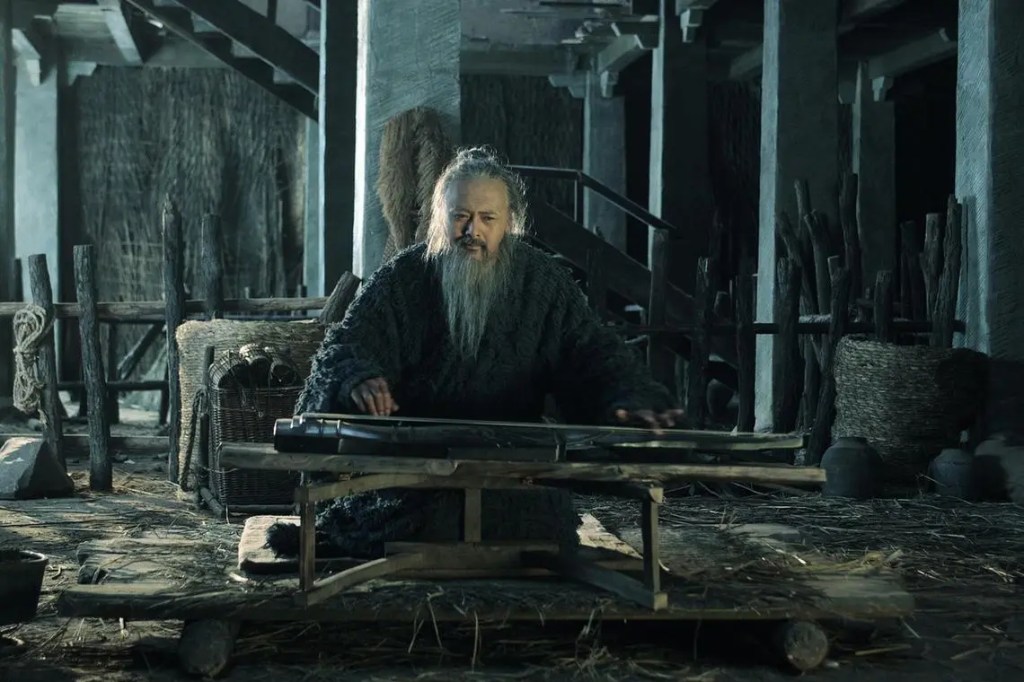
I strongly recommend this movie. Yes, there have been some controversies regarding the historical reconstruction of Kong Zi’s life and even the choice of actors (and it does not score very high on Rotten Tomatoes: but this means little). Do these choices impact the message we can take from the movie? I do not think so. An historical movie should not be a documentary. They convey a similar meaning in vastly different ways, appealing to different audiences. This does not imply that we can take history, let alone our dear history of philosophy, and manipulate it for our interests and ends. History must be respected. However, when there are gaps and holes in the story, directors can and should fill them with historical care and some poetic license to make the meaning of that story more transparent and relatable. (Nevertheless, this is my personal opinion on the subject, and I acknowledge that the issue is currently quite divisive.)
In the end, movies and their representation of history change with the shifts in our societies – and they are not alone in this transformative process. The way in which we do philosophy and reconstruct its history also evolves constantly over time, mirroring the diverse ways in which our societies perceive themselves. The pervasive nature of these changes becomes apparent when we compare how medieval philosophy was studied a century ago to how we do it today. The history of philosophy is becoming global, shedding its Eurocentric tendencies to embrace philosophical traditions from the rest of the world – a vast world, I must say – and transforming into a story in which all humans can see themselves.
From this perspective, Hu Mei’s Confucius can be a valuable resource for students to explore more about one of the most important philosophers in our world, albeit in a relatable yet not entirely reliable manner. The movie also serves as a reminder of some central duties we sometimes overlook. These include our responsibilities towards our students and the actions we take, which have reverberations even when we are not fully aware of their consequences. As societal actors (or intellectual actors, if you will), we also have the duty to remind our ‘rulers’, much like Kong Zi did, of the inextricable bond linking the experienced past with the potential future – a future that, to be brighter than the past, can never disregard the individual responsibility of each of us towards society as a whole.
©️Nicola Polloni | “A Cinematic Journey through History and Duty: Hu Mei’s Confucius (2010)”, IPM Monthly 3/1 (2024).
 IPM Monthly